

Bisabolol for Skin: Benefits, Uses & Is It Safe?

Bisabolol is a soothing ingredient taken from chamomile or the Brazilian candeia tree. In skincare, usually at 0.1% to 1%, it calms redness and irritation, supports healing, and helps other actives absorb. It is gentle enough for sensitive and acne-prone skin, though people allergic to chamomile or ragweed should patch test first.
If you have looked at the back of a soothing cream, an after-sun gel or a product for sensitive skin, you have probably seen "bisabolol" somewhere in the list. It is one of the quiet workhorses of skincare: rarely the headline ingredient, often the reason a formula feels comfortable. This guide explains what bisabolol is, what it can and cannot do, and how to use it alongside stronger actives.
Skin feeling tight and reactive?
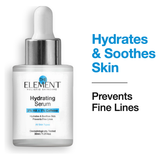
Calm skin starts with hydrated skin. Our Hydrating Serum combines 2% Hyaluronic Acid with 1% Caffeine and aloe vera to replenish water and soothe, a light layer that sits easily under moisturiser and sunscreen.
Explore the Hydrating Serum →What is bisabolol?
Bisabolol, more precisely alpha-bisabolol, is a natural oily compound called a sesquiterpene alcohol. It is the main active part of German chamomile essential oil (Matricaria chamomilla), which is where chamomile gets much of its calming reputation. Today most cosmetic bisabolol comes from the wood oil of the candeia tree (Eremanthus erythropappus) in Brazil, or is made in a lab.
Natural bisabolol is almost pure (-)-alpha-bisabolol, the form with the best-studied soothing effect. Synthetic bisabolol is a mix of forms and is considered slightly less active, though still useful.
What does bisabolol do for skin?
Bisabolol's main job is to calm. In lab and small human studies it lowers the release of inflammatory messengers that cause redness, heat and itching. That is why formulators add it to products that might otherwise sting, and to products for skin that is already irritated.
- Soothes redness and irritation. Useful after sun, shaving, waxing, or a reaction to an exfoliant.
- Supports skin comfort during active treatments. Often paired with retinoids, acids or benzoyl peroxide to make them easier to tolerate.
- Helps other ingredients absorb. Bisabolol is a mild penetration enhancer, so it can help actives reach the skin more effectively.
- Mild antimicrobial activity. Lab studies show some effect against bacteria and yeast, though this is a supporting role, not a treatment.
- Possible brightening support. Early lab research suggests bisabolol may slow melanin production, but the human evidence is limited. Do not rely on it to fade pigmentation by itself.
Is bisabolol good for acne-prone skin?
Yes, as a supporting ingredient. Bisabolol does not unclog pores or reduce oil, so it will not clear acne on its own. What it can do is calm the redness around inflamed pimples and make pore-clearing treatments such as salicylic acid easier to live with.
It is non-comedogenic at the levels used in skincare, so it is unlikely to cause breakouts. For the actual work of clearing pores, look to ingredients such as salicylic acid; our guide to benzoyl peroxide and salicylic acid explains how they work.
Bisabolol vs other soothing ingredients
| Ingredient | Main benefit | Best for |
|---|---|---|
| Bisabolol | Calms redness and irritation; helps actives absorb | Sensitive skin, irritation from actives |
| Centella asiatica (cica) | Soothes and supports repair | Barrier recovery, post-acne skin |
| Allantoin | Softens and smooths | Rough, flaky patches |
| Panthenol (B5) | Hydrates and calms | Dry, tight, irritated skin |
| Aloe vera | Cools and hydrates | Sun-stressed or dehydrated skin |
| Niacinamide | Strengthens the barrier, evens tone | Oily, uneven and reactive skin |
These ingredients often appear together because they work on different parts of irritation. Read more about cica and aloe vera in our ingredient guides.
How to use bisabolol in your routine
You will rarely buy bisabolol on its own. It usually comes inside a serum, moisturiser, after-sun gel or baby cream, at 0.1% to 1%. That makes it easy to use:
- Morning or night. Bisabolol is stable and does not make skin sun-sensitive, so it can be used at any time of day.
- After your active. If you use a retinoid or acid, apply it first, then a moisturiser or serum containing bisabolol to calm the skin.
- Layer with hydration. Soothing works best on well-hydrated skin. A hyaluronic acid serum followed by a moisturiser gives bisabolol a good base.
- Finish with sunscreen in the morning. Calming ingredients cannot undo UV damage. Broad-spectrum SPF 50 is still the last step.
If your skin is irritated from overdoing actives, pause the exfoliants for a week and follow our sensitive skin routine while the barrier recovers.
Is bisabolol safe?
Bisabolol has a long record of safe use in cosmetics, including baby products, and allergic reactions are rare. The main caution is for people allergic to plants in the daisy family (Asteraceae), such as chamomile, ragweed, marigold or arnica. They may react to chamomile-derived ingredients, so a patch test is sensible.
To patch test, apply a small amount to the inner forearm or behind the ear once a day for three days. If there is no redness or itching, it is unlikely to bother your face.
Bisabolol is generally considered low-risk in pregnancy, but check any new product with your doctor if you are pregnant or breastfeeding.
Who should look for bisabolol?
- People with sensitive or easily flushed skin.
- Anyone starting a retinoid, acid or benzoyl peroxide who wants a calmer adjustment period.
- People whose skin reacts after sun, shaving or waxing.
- Acne-prone skin that is red and inflamed as well as congested.
If you have a specific concern such as pigmentation, acne or dehydration, choose your main active for that concern first, then use bisabolol-containing products as the comfort layer around it.
The bottom line
Bisabolol is a gentle, well-tolerated soothing ingredient from chamomile and candeia. It calms redness and irritation, helps formulas feel comfortable, and makes stronger actives easier to use. It is a supporting player rather than a treatment, so pair it with the right active for your concern, keep the skin hydrated, and wear sunscreen every day.
Frequently asked questions
Is bisabolol natural or synthetic?
Both exist. Natural bisabolol comes from chamomile or candeia tree oil and is mostly the (-)-alpha form. Synthetic bisabolol is a mix of forms and slightly less active.
Can I use bisabolol with retinol?
Yes. Bisabolol is often paired with retinol and other retinoids to reduce redness and dryness during the adjustment period.
Does bisabolol lighten skin?
Early lab studies suggest it may slow melanin production, but human evidence is limited. Use proven brighteners and daily sunscreen for pigmentation.
Is bisabolol safe for sensitive skin?
Generally yes. It is used in baby products and sensitive-skin formulas. People allergic to chamomile or ragweed should patch test first.
Does bisabolol clog pores?
No. At the low levels used in skincare, bisabolol is considered non-comedogenic and suits oily and acne-prone skin.
Products in this guide