

Chyawanprash for Skin: Benefits, and Does It Really Help You Glow?

Chyawanprash can support skin indirectly because its base is amla, which is rich in vitamin C and polyphenols that the body needs for collagen and antioxidant defence. There are no good studies showing chyawanprash itself brightens skin, though, and a daily spoonful brings plenty of sugar, which matters if you are acne-prone or diabetic.
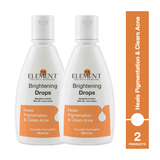
Like the inside-out idea, but want it built for skin?
The Brightening Drops are an Ayush-certified Ayurvedic formulation with Manjistha and Amla, alongside neem, turmeric, giloy and 20+ Ayurvedic herbs. Take 5-6 drops in a glass of water after a meal.
Explore the Brightening Drops →Every Indian winter, the chyawanprash jar comes out. Most families take it for immunity, but many people also believe it gives a winter glow. Here is what is actually in it, what it can and cannot do for your skin, and how to take it sensibly.
What is chyawanprash made of?
Chyawanprash is a classical Ayurvedic avaleha, a herbal jam. Its base is amla (Indian gooseberry) pulp, cooked with ghee and sesame oil, sweetened with sugar or jaggery and often honey, and blended with a long list of herbs. Classical recipes use around 40 or more ingredients. Common ones include ashwagandha, giloy, pippali (long pepper), shatavari, cardamom, cinnamon and bala.
The exact recipe and proportions vary by brand, so two jars can be quite different. In most commercial versions, sugar is one of the main ingredients by weight, which is worth knowing before you call it a health food.
Is chyawanprash good for skin?
It may support skin health in a general way, mostly through amla, but it is not a skin treatment. There are small studies on chyawanprash for immunity, energy and overall wellbeing. There are no good-quality trials showing it fades pigmentation, clears acne or makes skin glow.
What we can say is what its ingredients are known to do in the body:
- Amla is one of the richest food sources of vitamin C, plus polyphenols such as emblicanin and gallic acid. Vitamin C is essential for collagen formation, and antioxidants help limit oxidative stress from sun and pollution. Our full guide to amla for skin covers it in detail.
- Giloy is valued in Ayurveda as a rasayana, or rejuvenating herb. Here is what the evidence says on giloy for skin.
- Ashwagandha is studied mainly for stress and sleep. Both affect skin, as our ashwagandha guide explains.
- Ghee and sesame oil provide fats that help absorb fat-soluble compounds, though in small amounts.
One honest caveat: chyawanprash is cooked for hours, and vitamin C breaks down with heat. Manufacturers and researchers disagree about how much survives, so do not assume a spoonful equals a fresh amla.
Can chyawanprash cause pimples?
It can for some people, mainly because of the sugar. Diets with a high glycaemic load are linked to acne in several studies, because they raise insulin and IGF-1, which can increase oil production. One or two teaspoons of chyawanprash a day is not a lot of sugar on its own, but it adds up with tea, sweets and festive food in winter. Our guide on sugar and skin explains the link.
Ayurveda also describes chyawanprash as warming. Some people say they break out when they take a lot of it in hot weather. That is anecdotal, but if you notice a pattern, cut back.
Chyawanprash vs amla vs an Ayurvedic skin supplement
| Option | Main skin-relevant actives | Sugar | Made for |
|---|---|---|---|
| Chyawanprash | Amla plus a general herb blend | High | General wellbeing and immunity |
| Fresh amla or amla juice | Vitamin C, polyphenols | None added | Diet |
| Brightening Drops | Manjistha and Amla, alongside neem, turmeric, giloy and 20+ herbs | Taken as drops in water | Skin, from within |
How to take chyawanprash if you want the skin benefits
- Keep the dose modest. Most packs suggest one to two teaspoons a day for adults. More is not better.
- Take it with a meal or warm milk. This is how it is traditionally taken, and it is easier on the stomach.
- Check the sugar on the label. If you are diabetic, prediabetic or have PCOS, ask your doctor, and look for a sugar-free version.
- Give it time. Anything taken by mouth works slowly. Judge it over two to three months, not two weeks.
- Do not apply it to your face. It is a sticky, sugary jam with spices such as pippali and cinnamon that can irritate skin. It is made to be eaten.
The inside-out approach: what actually helps skin
Skin health starts before the serum. Sleep, a diet with enough protein and fresh produce, and fewer sugar spikes all show up on your face. On top of that, ingestible Ayurvedic actives chosen for skin can help. The Brightening Drops are built around Manjistha, a traditional blood-purifying herb, and Amla, alongside neem, turmeric, giloy and 20+ Ayurvedic herbs. You take 5-6 drops in 150-200 ml of water, once or twice a day after a meal. With consistent use, most people see a healthier glow and more even-looking skin over four to eight weeks.
No supplement replaces daily sunscreen, which remains the most effective step against tanning and dark spots. If you want to understand how Manjistha works, read what Manjistha can and cannot do. Pair the inside-out step with the basics in our winter skincare routine.
Frequently asked questions
Does chyawanprash make skin fair?
No. Nothing you eat changes your natural skin colour. Amla's antioxidants may support healthier-looking skin, but chyawanprash is not a fairness or brightening treatment.
Can I eat chyawanprash in summer?
Yes, in a small dose. Many people take less in summer because Ayurveda considers it warming. If you notice breakouts in hot weather, reduce it.
How long does chyawanprash take to show results on skin?
There is no measured timeline for skin. Anything taken orally needs at least two to three months of steady use before you judge it.
Can I take chyawanprash and the Brightening Drops together?
For most healthy adults there is no known reason not to, since both are Ayurvedic preparations taken with food. If you take other medicines or are pregnant, check with your doctor.
Is chyawanprash safe for diabetics?
Regular chyawanprash contains a lot of sugar. Diabetics should speak to their doctor and look for sugar-free versions.
Products in this guide