

Dark Eyelids: Why They Happen and How to Lighten Them Safely

Dark eyelids are usually caused by genetics, frequent rubbing, sun exposure or a reaction to eye makeup. Certain eye drops and conditions can also darken them. Removing the trigger and protecting the area often helps over 8 to 12 weeks, but strong actives should stay off eyelid skin, and inherited darkness may lighten only slightly.
Eyelid skin is among the thinnest on the body, and on Indian skin it is often naturally a little deeper in tone than the cheeks. That is normal and not something that needs fixing. If your lids have become darker recently, though, there is usually a reason worth finding. Here is how to work out the cause, what is safe to use, and when to see a doctor.
Looking for a gentler approach than creams near your eyes?
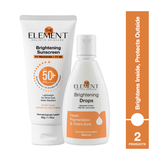
Our Inside-Out Brightening Duo pairs an SPF 50+ PA++++ Sunscreen for the skin around your eyes with Brightening Drops taken in water, made with Manjistha and Amla alongside neem, turmeric and 20+ Ayurvedic actives.
Explore the Inside-Out Brightening Duo →Why are my eyelids so dark?
Eyelids usually look dark because of extra melanin in the skin, because blood vessels show through it, or because of both. Often more than one of these causes is involved:
- Genetics. Darker lids often run in families and are common in South Asian skin. They usually appear early and stay stable.
- Rubbing. Allergies, tired eyes and habitual rubbing cause low-grade friction, which can gradually deepen colour.
- Sun exposure. Eyelids are easily missed with sunscreen, so they can tan and darken along with the rest of the eye area.
- Contact allergy. Kajal, eyeliner, mascara, eye-makeup remover and hair dye can inflame the skin. Nail polish can also transfer when you touch your eyes. Dark marks can remain after the irritation settles.
- Eye drops. Prostaglandin drops used for glaucoma, and related lash-growth products, can darken lid skin.
- Hormones and melasma. Pregnancy and hormonal changes can deepen pigment around the eyes.
- Thin skin and visible vessels. These can give the lids a bluish or purple cast, particularly as skin ages.
- Medical causes. Rarely, eczema, thyroid problems or other conditions play a part.
How can you tell which cause you have?
The colour of the lid, how quickly it changed and any other symptoms all offer useful clues.
| What you notice | Likely cause | What usually helps |
|---|---|---|
| Always been this way, and family members share it | Genetics | Sun protection, or makeup if you prefer |
| Brown lids plus itching, flaking or stinging | Allergy or eczema | Stop suspected products and see a doctor |
| Darkening after you started a new eye drop | Medication | Talk to your eye doctor, and never stop drops yourself |
| Bluish or purple tone, worse when you are tired | Visible blood vessels | Sleep, cool compresses, makeup |
| Brown tone that deepens in summer | Sun exposure | Sunglasses, careful sunscreen |
If the darkness sits mainly under the eyes, you may find more help in our guide to dark circles.
What can you safely use on dark eyelids?
Keep eyelid care simple, because this skin irritates easily, and irritation on Indian skin can leave it darker.
- Protect from the sun. Wear wraparound sunglasses outdoors, as they protect the lids better than cream alone. Apply a gentle sunscreen up to the orbital bone, and keep it out of your eyes. Our guide on sunscreen around the eyes explains how.
- Stop rubbing. Treat itchy eyes and allergies properly. Use a cool compress instead of your fingers.
- Audit your eye makeup. Stop kajal, liner and removers for two to four weeks to see if things improve. Take makeup off gently with a soft pad, and don't sleep in it.
- Moisturise with a fragrance-free eye product. Hydrated skin looks smoother and tolerates daily care better.
- Support skin from within. Sleep, balanced meals and an inside-out routine won't erase inherited pigment, but they can support overall skin health. Brightening Drops are taken as 5 to 6 drops in 150 to 200 ml of water, after a meal. They are a traditional Ayurvedic formulation rather than a medical treatment, and are never applied to the skin.
What should you never put on your eyelids?
Most brightening products are formulated for the face and are not tested for use on the lids. Avoid these unless a doctor specifically advises otherwise:
- Acids and brightening serums. Salicylic acid, glycolic acid and high-strength niacinamide can sting and irritate the eye.
- Retinol. It often causes flaking and redness on thin eyelid skin.
- Lemon, potato juice and DIY masks. Acidic or unwashed food can irritate or infect the eye. Our article on potato for dark circles looks at the evidence.
- Bleach and unlabelled lightening creams. These may contain steroids, which are especially risky near the eyes because they can raise eye pressure.
Will dark eyelids go away?
It depends on the cause. Darkening from friction, allergy or sun can improve over 8 to 12 weeks once you remove the trigger, sometimes longer. Inherited darkness and visible blood vessels usually change very little, and that is not a sign you are doing anything wrong. Concealer or a peach-toned corrector is a perfectly good choice if you want to even things out for an event. Dermatologists can offer prescription creams, peels or lasers for persistent cases, though the eye area needs an experienced hand.
When should you see a doctor?
See a doctor if the darkening appeared quickly, affects only one eye, or comes with swelling, pain, flaking, itching or changes in your vision. A drooping lid is another reason to get checked. Darkening alongside tiredness, weight changes or other new symptoms also deserves a check-up. Any new spot on the lid that grows, changes colour or bleeds should be seen promptly.
Frequently asked questions
Can I use niacinamide serum on my eyelids?
It is best not to. Most niacinamide serums are made for the face, and they can sting if they reach your eyes. Stop at the orbital bone, or choose a product specifically tested for the eye area.
Does lack of sleep make eyelids darker?
Poor sleep does not add pigment, but it can make blood vessels more noticeable and skin look paler, so existing darkness stands out. Tired eyes can also lead to more rubbing, and that can deepen colour over time.
Can kajal make my eyelids dark?
It can. Allergy or irritation from kajal may leave dark marks, and rubbing it off adds friction. Stop for a few weeks to see if the area improves, and always remove it gently.
Are dark eyelids a sign of a health problem?
Usually not. Most cases come from genetics, rubbing, allergy or sun. It is worth seeing a doctor if the change is sudden, one-sided, or comes with swelling, itching or other new symptoms.
Do Brightening Drops lighten eyelids?
They are not an eyelid treatment. They are an Ayurvedic supplement taken in water that supports overall skin tone, usually over 4 to 8 weeks of consistent use, and results vary from person to person.
Products in this guide