

Ectoin for Skin: Benefits & How to Use It

Ectoin is a protective molecule made by microbes that survive in salt lakes, deserts and hot springs. In skincare it binds water around skin cells, which helps hydrate, calm redness and protect the skin barrier from dry air, heat and pollution. It is gentle, suits sensitive skin and works well alongside other hydrators.
Ectoin, sometimes spelled ectoine, has moved from Korean and German skincare into Indian routines, usually labelled as a barrier or "anti-pollution" ingredient. It is one of the more interesting newer hydrators because it protects cells in a different way from hyaluronic acid. This guide explains what ectoin is, what the evidence shows, how it compares with other hydrators, who benefits most and how to use it.
Skin dry, tight and easily irritated?
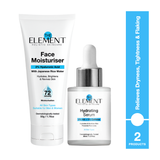
Calm, stressed skin needs two steps: water in, then a seal on top. Our Dry Skin Rescue Combo pairs the Hydrating Serum with 2% Hyaluronic Acid and the Rice Water Moisturiser to hydrate and lock it in.
Explore the Dry Skin Rescue Combo →What is ectoin?
Ectoin is a small amino acid derivative that certain bacteria produce to survive extreme conditions, such as very salty water, intense UV, high heat and drought. Scientists call molecules like this "extremolytes". Ectoin works by attracting water and forming a protective hydration shell around cells and proteins, which stops them drying out or breaking down under stress.
Cosmetic ectoin is produced by fermenting these bacteria in controlled tanks, a process sometimes called "bacterial milking". On ingredient lists it appears as "ectoin" or "ectoine", usually at 0.3% to 2%.
What does ectoin do for skin?
Ectoin helps skin hold water and resist environmental stress. Its main benefits are:
- Long-lasting hydration: studies of ectoin creams have shown improved skin moisture and reduced water loss over several weeks of use.
- Barrier support: by stabilising the lipids and proteins in the skin's outer layer, ectoin helps the barrier stay intact, so skin feels less tight and reactive.
- Calming: ectoin has been studied in products for mild eczema-prone and sensitive skin, where it helped reduce redness and dryness.
- Environmental protection: lab research suggests ectoin helps protect skin cells from damage caused by UVA light, heat and particulate pollution. This does not replace sunscreen.
Ectoin has more human data behind it than many trendy ingredients, including medical products for dry eyes, nasal allergies and mild atopic dermatitis. Still, most cosmetic studies are small and funded by ingredient makers, so it is best seen as a well-tolerated helper rather than a treatment.
Ectoin vs hyaluronic acid vs ceramides
Hyaluronic acid draws water in, ceramides rebuild the barrier's "mortar", and ectoin protects cells and structures from drying out under stress. Here is how they compare:
| Ectoin | Hyaluronic acid | Ceramides | |
|---|---|---|---|
| Type | Extremolyte (protective molecule) | Humectant | Barrier lipid |
| Main job | Hydrates, calms, protects cells | Pulls water into skin | Repairs and seals the barrier |
| Feel | Light, non-sticky | Light, watery | Creamier |
| Best for | Sensitive, stressed, city skin | Almost every skin type | Dry, damaged barrier |
| Evidence | Moderate, mostly small studies | Strong | Strong |
These ingredients complement each other. A routine with a hyaluronic acid serum followed by a moisturiser, with or without ectoin, covers most hydration needs. See our guides to hyaluronic acid for dehydrated skin and ceramides.
Who should use ectoin?
Ectoin is especially useful for people whose skin is under constant low-level stress. It suits you if you:
- have sensitive skin that stings with many products
- live in a polluted city and commute through traffic
- spend long hours in air-conditioned rooms or in dry winter air
- are using drying acne treatments or retinoids and want to stay comfortable
- have a damaged barrier after over-exfoliating
It is light enough for oily and acne-prone skin and is not known to clog pores. If your barrier feels compromised, read our guide on how to repair the skin barrier first.
How to use ectoin in your routine
Ectoin can be used morning and night. Because it is usually in serums, essences or moisturisers, place it by texture:
- Cleanse with a gentle face wash.
- Treatment serum, if you use one, such as niacinamide or salicylic acid.
- Hydrating serum, such as hyaluronic acid, on slightly damp skin. An ectoin serum goes here too.
- Moisturiser, which may itself contain ectoin or ceramides.
- Morning: sunscreen as the final step.
Ectoin has no known conflicts with vitamin C, niacinamide, retinol, acids or benzoyl peroxide, so it can sit in almost any routine. Our sensitive skin routine shows a simple, low-irritation order to follow.
Does ectoin protect against pollution?
Partly. Lab studies show ectoin can reduce the inflammation that tiny pollution particles trigger in skin cells, and it supports the barrier that keeps irritants out. In daily life, the bigger wins are cleansing well at night to remove grime, using a moisturiser to keep the barrier intact, and wearing sunscreen, since sunlight and pollution damage skin together. Our guide to pollution and skin explains this in full.
Side effects of ectoin
Ectoin is one of the gentlest ingredients available and is used in products for babies, eyes and noses. Reactions are rare. If irritation does occur, it is more likely to come from fragrance, essential oils or another active in the same product. Patch test any new product first, as explained in our patch test guide.
How long does ectoin take to work?
Skin usually feels more comfortable within the first few days. Studies of ectoin creams typically measured hydration and barrier improvements after two to four weeks of twice-daily use. Redness and sensitivity tend to settle gradually over the same period.
The bottom line
Ectoin is a gentle, well-tolerated protector that helps skin stay hydrated and calm under stress from dry air, heat and pollution. It is not a complete shield and does not replace sunscreen, but it is a smart addition for sensitive or city-stressed skin. Pair it with a humectant serum and a moisturiser, and keep the rest of your routine simple.
Frequently asked questions
Is ectoin better than hyaluronic acid?
They do different jobs. Hyaluronic acid draws water into skin, while ectoin helps protect cells and the barrier from drying out. Using both is often the best approach.
Can I use ectoin with retinol?
Yes. Ectoin can make retinol more comfortable by reducing dryness and irritation. Apply it after the retinol or use a moisturiser that contains it.
Is ectoin good for acne-prone skin?
Yes. It is light, not known to clog pores, and can calm the dryness caused by acne treatments.
Can ectoin replace sunscreen?
No. Ectoin may help skin cope with sun stress, but it does not block UV rays. Always wear sunscreen in the morning.
Is ectoin safe during pregnancy?
Topical ectoin is considered very gentle and is not known to be harmful, but check with your doctor before adding any new product during pregnancy.
Products in this guide