

Lavender Oil for Face: Benefits, Side Effects and How to Use It Safely

Lavender oil can be used on the face, but only diluted and only if your skin tolerates it. Lab studies suggest it has mild antibacterial and calming effects, but human evidence for acne or ageing is thin. Lavender is also a known fragrance allergen, especially once the oil oxidises. Never apply it neat, patch test first, and skip it on sensitive skin.
Lavender oil sits in a lot of Indian bathroom cabinets, bought for sleep or a headache and then tried on a pimple or a dry patch. It smells calming, so it feels gentle. Here is what it actually does on skin, the real risks, and what works better.
Looking for calm, comfortable skin without fragrance?
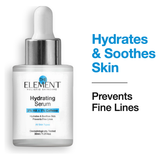
Our Hydrating Serum pairs 2% Hyaluronic Acid with 1% Caffeine and Aloe Vera to hydrate and soothe skin, with no essential oils.
Explore the Hydrating Serum →What is lavender oil?
Lavender oil is an essential oil steam-distilled from the flowers of the lavender plant, most often Lavandula angustifolia (true lavender). Its scent and most of its activity come from two compounds, linalool and linalyl acetate.
It is worth separating three different things that all get called "lavender":
- Lavender essential oil: the pure, concentrated oil. Strong and potentially irritating.
- Lavender water (hydrosol): the fragrant water left after distillation. Far milder, used as a toner or mist.
- Lavender-scented products: creams and soaps with lavender added as fragrance. The amount is small, but it still counts as fragrance.
What are the claimed benefits of lavender oil for the face?
Most claims come from laboratory and animal studies, not trials on human faces. Here is what the evidence does and does not support.
- Acne: lavender oil slows the growth of acne-linked bacteria in a dish. That is a long way from clearing breakouts on skin, and there are no good human trials showing it does. Tea tree oil has better evidence for acne, and even that is modest.
- Calming redness: some lab work shows anti-inflammatory activity. On real skin, the fragrance compounds can cause the very redness you are trying to calm.
- Anti-ageing: lavender contains some antioxidant compounds, but there is no reliable evidence it reduces fine lines or wrinkles.
- Relaxation and sleep: the strongest evidence for lavender is for its scent, breathed in. That benefit does not need the oil on your face at all.
Is lavender oil safe for your face?
Diluted lavender oil is tolerated by many people, but it is not risk-free, and it is a poor choice for sensitive or reactive skin. The main problem is allergy. Linalool and linalyl acetate react with air as the oil ages, forming oxidised compounds that are well-documented contact allergens. A bottle that has been opened for months, or stored in a warm, bright bathroom, is more likely to trigger a reaction than a fresh one.
Lavender is listed among the fragrance allergens that cosmetic labels in the EU must declare by name, which tells you how often it causes problems. You can read more about this in our guide to whether fragrance in skincare is bad for your skin.
What are the side effects of lavender oil on the face?
- Irritation: stinging, burning, redness or tightness, especially if used neat or on broken skin.
- Allergic contact dermatitis: an itchy, red, sometimes bumpy rash that can appear after days or weeks of use, even if the oil seemed fine at first.
- Dryness and flaking: essential oils can disturb the skin barrier when used often.
- Dark marks: on brown Indian skin, any rash or irritation can leave post-inflammatory pigmentation that lasts for weeks.
There have also been case reports linking regular use of lavender and tea tree products to breast tissue growth in young boys. The link is not proven, but it is a reason to avoid using essential oils on children's skin.
Lavender oil vs other options for common face concerns
| Concern | Lavender oil | Better-supported option |
|---|---|---|
| Pimples | Lab evidence only | 2% salicylic acid, niacinamide |
| Redness and sensitivity | May calm or may irritate | Fragrance-free moisturiser, aloe, panthenol |
| Dryness and tightness | Can worsen dryness | Hyaluronic acid, ceramides |
| Fine lines | No reliable evidence | Daily sunscreen, retinoids, peptides |
| Dark marks | No effect | Niacinamide, alpha arbutin, sunscreen |
How to use lavender oil on your face safely
- Buy true lavender. Look for Lavandula angustifolia on the label, in a dark glass bottle, with a batch or expiry date.
- Always dilute. A 1% dilution is about 5 to 6 drops in 30 ml of a carrier oil such as jojoba. For the face, less is better.
- Patch test first. Apply the diluted oil behind the ear or on the inner arm for 48 hours. Our guide on how to patch test skincare explains the method.
- Use it occasionally. A few times a week at night is plenty. Daily, long-term use raises the chance of becoming sensitised.
- Keep it fresh. Close the cap tightly, store it in a cool, dark cupboard and replace it within about a year of opening.
- Stop at the first sign of a reaction. Itching, a rash or burning means stop and let the skin settle.
Who should avoid lavender oil on the face?
- People with sensitive skin, rosacea or eczema. Our sensitive skin routine explains what to use instead.
- Anyone who has reacted to perfume, scented creams or other essential oils before.
- Skin that is broken, sunburnt or freshly waxed or threaded.
- Children.
- Pregnant or breastfeeding women, unless their doctor is comfortable with it.
What should you use instead?
Pick an ingredient that targets your actual concern, with evidence behind it and no fragrance. For breakouts, a 2% salicylic acid product works inside the pore, and tea tree oil has better acne data than lavender if you prefer a plant option. For dryness or a tight, reactive feel, a fragrance-free hyaluronic acid serum hydrates without adding allergens. Our Hydrating Serum combines 2% Hyaluronic Acid, 1% Caffeine and Aloe Vera, and pairs well with a gentle moisturiser. If you love the scent, enjoy it in a diffuser instead.
Frequently asked questions
Can I apply lavender oil directly on my face?
No. Neat lavender oil is too concentrated for facial skin and can cause burning, irritation or an allergic rash. Always dilute it to about 1% in a carrier oil and patch test before use.
Can lavender oil remove pimples?
There is no good evidence that it clears pimples on real skin. It slows acne bacteria in lab tests, but salicylic acid and niacinamide are far better-supported choices for breakouts.
Can I leave lavender oil on my face overnight?
A small amount of properly diluted oil can be left on overnight if your skin has passed a patch test. Avoid the eye area, and stop if you notice itching or redness the next morning.
Is lavender water the same as lavender oil?
No. Lavender water, or hydrosol, is the much milder water left after distillation and can be used as a mist. It still contains some fragrance compounds, so sensitive skin may react to it too.
Does lavender oil lighten dark spots?
No. Lavender oil has no proven effect on pigmentation, and any irritation it causes can make dark marks worse on Indian skin. Niacinamide, alpha arbutin and daily sunscreen are better options.
Products in this guide