

Niacinamide Cream: Does It Work, and Is a Serum Better?

A niacinamide cream is a moisturiser that contains niacinamide, usually 2 to 5%, so it hydrates while helping with oil, redness and uneven tone. It works, but gently. If dark spots or visible pores are your main concern, a 5 to 10% niacinamide serum under a plain moisturiser usually does more than a cream alone.
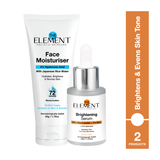
Want the niacinamide dose and the cream in one routine?
The Bright & Soft Combo pairs the 10% Niacinamide + 1% Zinc Brightening Serum with the 2% Hyaluronic Acid + Japanese Rice Water Moisturiser, so the treatment step and the comfort step each do their own job.
Explore the Bright & Soft Combo →Niacinamide now turns up in almost every format: serums, face washes, sunscreens, body lotions and night creams. That makes a niacinamide cream sound like the easy, all-in-one answer. Sometimes it is. Often, though, the cream carries too little niacinamide to do what people buy it for. Here is how to tell what a niacinamide cream can and cannot do, and when it is worth choosing one.
What does a niacinamide cream do?
A niacinamide cream moisturises the skin and delivers vitamin B3, which supports the skin barrier and helps regulate oil. Niacinamide helps the skin make more of its own ceramides, the fats that keep moisture in and irritants out, so a well-made niacinamide cream can leave skin calmer and less reactive over time. Our guide to niacinamide in skincare explains these effects in detail.
With regular use, a niacinamide cream can help with:
- Dryness and tightness, through the cream base itself
- Mild redness and a reactive, easily irritated feel
- Shine on combination skin
- Slow, gentle improvement in dullness and uneven tone
Does a niacinamide cream actually work?
It works for barrier support and comfort, and more modestly for brightening. The main deciding factor is how much niacinamide the cream contains. Many creams list niacinamide on the front but use well under 2%, which is enough for a label claim and not much more.
Research on niacinamide for uneven tone and marks has mostly used around 4 to 5%, and many serums go up to 10%. At that kind of strength, niacinamide is better delivered in a light, water-based serum, because it spreads thinly and leaves room for a moisturiser on top. Expect first changes in tone after about eight weeks of daily use, as covered in how long niacinamide takes to work.
Niacinamide cream vs niacinamide serum
Both contain the same ingredient. The difference is dose, texture and what job they do best.
| Niacinamide cream | Niacinamide serum | |
|---|---|---|
| Typical strength | 1 to 5% | 5 to 10% |
| Main job | Moisturise and support the barrier | Treat tone, marks, oil and pores |
| Texture | Richer, sits on top | Light, absorbs quickly |
| Best for | Dry, sensitive or easily irritated skin | Pigmentation, acne marks, oily skin |
| Routine position | Last step before sunscreen | Before moisturiser |
For most people with tone or pore concerns, the strongest routine is a niacinamide serum followed by a moisturiser. Our guide to serum vs moisturiser explains why the two steps work better together than either does alone, and brightening cream vs serum vs drops compares the formats for pigmentation.
Who should choose a niacinamide cream?
A niacinamide cream makes sense if you want a single, simple step and your concerns are mild. It is a good fit for:
- Dry or sensitive skin that finds serums stingy or drying
- People who want one product at night and nothing more
- Skin recovering from over-exfoliation that needs barrier support
- Anyone who already uses a niacinamide serum in the morning and wants a gentle top-up at night
If your concern is post-acne marks, stubborn pigmentation or oily skin with visible pores, a cream alone is unlikely to give you the dose you need. See 5% vs 10% niacinamide to choose the right strength.
How do you use a niacinamide cream?
- Cleanse with a gentle face wash and pat dry.
- Apply any serum first. If you use a niacinamide or hyaluronic acid serum, let it settle for a minute.
- Use a pea-sized amount of cream for the face and a little more for the neck, pressing it in rather than rubbing hard.
- Finish with sunscreen in the morning. Niacinamide does not make skin sun-sensitive, but it cannot protect you from UV, and sun exposure undoes any brightening.
You can use a niacinamide cream morning and night. If you are layering it with a higher-strength niacinamide serum, there is little point stacking extra niacinamide on top; a plain hydrating moisturiser does the same comfort job. Our routine order guide shows the full sequence.
What should you look for on the label?
- A stated percentage. Brands that use a meaningful dose usually say so.
- Niacinamide high in the ingredient list, not near the end after fragrance and preservatives.
- Supporting hydrators such as hyaluronic acid, glycerin or ceramides.
- A texture that suits your skin: gel-cream for oily skin, richer cream for dry skin. See moisturisers for oily skin if heavy creams break you out.
- Minimal fragrance, especially if your skin is reactive.
Are there side effects?
Niacinamide is one of the best-tolerated actives, but some people notice mild redness, warmth or itching, especially at higher strengths or on a damaged barrier. That usually settles within a couple of weeks. If it does not, or if you see hives or swelling, stop and see our guide to niacinamide side effects. A patch test on the jawline for a few days before full use is always sensible.
Frequently asked questions
Is niacinamide cream better than niacinamide serum?
Neither is better overall. A cream is better for moisturising and barrier support, while a serum delivers a higher dose for tone, marks and pores.
Can I use niacinamide cream every day?
Yes. Niacinamide is gentle enough for daily use morning and night for most skin.
Can I use a niacinamide cream with a niacinamide serum?
You can, but it is rarely necessary. If your serum already gives you 5 to 10%, a plain hydrating moisturiser is enough on top.
Does niacinamide cream lighten skin?
It does not change your natural skin colour. It can help even out tone and soften the look of marks over two to three months.
Is niacinamide cream good for oily skin?
A light gel-cream with niacinamide can suit oily skin, because niacinamide helps regulate oil. Avoid thick, rich creams if you are acne-prone.
Products in this guide