

Pimple in Ear: Causes, Safe Treatment and When to Worry

A pimple in the ear is usually a blocked pore or an inflamed hair follicle on the outer ear, the earlobe or the entrance to the ear canal. Ears have oil glands like the face, and earphones, phones, helmets and hair products trap oil and bacteria there. Most clear in a week with gentle cleansing and no squeezing.
Finding a sore bump inside or on your ear is unsettling, partly because you cannot see it properly and partly because it hurts more than a pimple on the cheek. The skin on the ear sits tight over cartilage, so there is very little room for swelling. This guide explains why ear pimples happen, how to tell a pimple apart from something that needs a doctor, how to treat one safely at home, and how to stop them coming back.
Got a spot on the outer ear or earlobe?
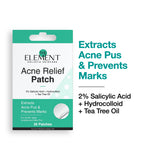
Our Acne Relief Patch is a hydrocolloid patch with 2% Salicylic Acid and Tea Tree Oil. It covers a single raised spot, absorbs fluid and stops you from picking. Use it on the outer ear only, never inside the canal.
Explore the Acne Relief Patch →Why do you get pimples in your ear?
The skin of the outer ear and the outer third of the ear canal contains sebaceous (oil) glands and hair follicles. When dead skin, oil and bacteria block one of these openings, you get a pimple, exactly as you would on your nose or chin. The ear just has a few triggers of its own:
- Earphones and earbuds. Hours of in-ear earbuds create a warm, closed space and press against the skin. Earbuds that are rarely cleaned carry oil, sweat and bacteria straight into the canal opening.
- Phones. A phone screen pressed against the ear during long calls transfers oil and makeup.
- Helmets, caps and headphones. Friction plus sweat, especially for riders in Indian heat, clogs pores on the outer ear.
- Hair oil and styling products. Oils, gels and conditioners run onto the ears and behind them. We explain this in detail in our guide to whether hair oil causes acne.
- Touching and cotton buds. Poking the ear with fingers, hairpins or cotton buds irritates the lining and pushes debris into pores.
- Dandruff and an oily scalp. Flakes and oil from the scalp settle in the folds of the ear. See does dandruff cause acne.
- Hormones and stress. The same hormonal swings that cause jawline breakouts can show up on the ears.
Is it a pimple or something else?
Not every bump in the ear is acne. Several common conditions look similar, and some need a doctor rather than a spot treatment.
| Bump | What it looks like | What to do |
|---|---|---|
| Pimple | Small red or white-headed bump, tender, settles in 5 to 10 days | Gentle cleansing, warm compress, patch on the outer ear |
| Boil (furuncle) | Larger, very painful, hot, deep, often in the canal | See a doctor; it may need drainage or antibiotics |
| Sebaceous or epidermoid cyst | Smooth, round, movable lump behind the ear or on the lobe, slow-growing | Leave alone unless it is inflamed; a dermatologist can remove it |
| Infected piercing | Red, swollen bump at a piercing hole, sometimes with discharge | Keep it clean; see a doctor if it spreads or you get a fever |
| Keloid | Firm, raised, shiny scar that keeps growing after a piercing | Needs a dermatologist; do not squeeze or cut |
A pimple stays small and settles on its own. Anything that grows, spreads redness across the ear, affects your hearing or comes with fever is not a pimple problem.
How do you get rid of a pimple in your ear?
The aim is to calm the inflammation and let the pore drain on its own. Here is the routine that works for most people:
- Do not squeeze it. The skin over ear cartilage is thin, and squeezing can push infection deeper. An infection of the cartilage (perichondritis) is painful and needs medical treatment. Our guide to what happens when you pop a pimple explains why.
- Use a warm compress. Hold a clean cloth soaked in warm (not hot) water against the outer ear for 5 to 10 minutes, two or three times a day. The warmth softens the plug and eases pain.
- Clean the outer ear gently. Wash the outer ear and the area behind it once or twice a day with a mild salicylic acid face wash, then rinse well. Keep water and product out of the ear canal.
- Cover a spot on the outer ear or lobe. A hydrocolloid patch absorbs fluid and keeps fingers and earphones off it. Do not put a patch, cream or acid inside the canal.
- Rest the earphones. Switch to over-ear headphones or speaker mode until it heals, and clean your earbuds.
Most ear pimples come to a head and settle within five to seven days, in line with the normal stages of a pimple.
What should you never put in your ear?
Home remedies that are harmless on the cheek can cause problems in the ear. Avoid:
- Toothpaste, lemon, garlic or raw onion, which irritate and can burn the thin lining.
- Pins, tweezers or needles to "open" the spot.
- Cotton buds pushed into the canal, which pack wax and debris deeper.
- Acne gels, benzoyl peroxide or salicylic acid inside the ear canal, which can sting and dry out the canal skin.
- Oils or drops in the ear unless a doctor has prescribed them.
Pimple behind the ear: is it different?
The skin behind the ear is a common spot for breakouts because hair products, sweat, helmet straps and spectacle arms all rub there. It is also where small cysts often form. A spot behind the ear is easier to treat because it is outside the canal: cleanse it with your acne face wash, apply a salicylic acid serum or a patch, and rinse off conditioner thoroughly after a hair wash. A smooth, movable lump that has been there for months is more likely a cyst or a swollen lymph node than a pimple, and is worth showing a doctor.
How do you stop ear pimples coming back?
- Clean your earbuds and headphones at least once a week with an alcohol wipe, and do not share them.
- Wipe your phone screen daily, or use earphones or speaker mode for long calls.
- Wash your ears, not just your face. Extend your face wash to the outer ears and behind them, especially after the gym or a helmet ride.
- Rinse hair products off the ears and avoid leaving hair oil on overnight if you break out around the ears and hairline.
- Change your pillowcase two or three times a week. See does your pillowcase cause acne.
- Keep hands and cotton buds out. The ear cleans itself; the outer ear only needs a wash.
When should you see a doctor?
See a doctor or ENT specialist if the bump is inside the ear canal and very painful, if it affects your hearing, if there is discharge from the ear, if redness and swelling spread over the ear, if you have a fever, or if the bump does not improve in two weeks. Recurrent boils, a lump that keeps growing, or a piercing bump that is turning into a keloid also need professional care.
Frequently asked questions
Why do I get pimples inside my ear?
The outer ear canal has oil glands and hair follicles that can clog. Earbuds, phones, touching and hair products are the most common triggers.
Can earphones cause pimples in the ear?
Yes. In-ear earbuds trap heat, sweat and oil and carry bacteria into the canal opening. Clean them weekly and give your ears breaks.
Should I pop a pimple in my ear?
No. The skin over the ear cartilage is thin, and squeezing can spread infection. Use a warm compress and let it drain on its own.
How long does a pimple in the ear last?
Most settle in five to seven days. If it is still there or getting worse after two weeks, see a doctor.
Can I use a pimple patch on my ear?
Yes, on the outer ear, earlobe or behind the ear. Never place a patch or any acne product inside the ear canal.
Is a pimple in the ear dangerous?
Usually not. Severe pain, spreading redness, discharge, fever or hearing changes suggest an infection that needs medical care.
Products in this guide