

Rice Water Toner: Benefits, DIY Risks and How to Use It

A rice water toner is a light hydrating layer made from rice extract or fermented rice water. It can soften skin and add a mild glow, but evidence for brightening is limited. Store-bought versions are safer than homemade ones, which carry no preservative and spoil within days. Pair it with a moisturiser to hold hydration in.
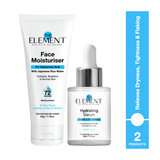
Want the hydration without the spoilage risk?
The Dry Skin Combo layers our 2% Hyaluronic Acid + 1% Caffeine Hydrating Serum under a 2% Hyaluronic Acid + Japanese Rice Water Moisturiser: one draws water in, the other holds it there.
Explore the Dry Skin Combo →Rice water has moved from home remedy to one of the most popular toner ingredients in Korean and Japanese skincare. The idea is appealing: something from your own kitchen that leaves skin looking soft and bright. Some of that reputation is earned, some of it is marketing, and the homemade version comes with a risk most videos skip. For the ingredient itself, see our guide to Japanese rice water.
What does a rice water toner do?
A rice water toner mainly hydrates and softens. Rice water contains amino acids, inositol, small amounts of B vitamins, and antioxidants such as ferulic acid and gamma-oryzanol. A commercial toner usually delivers these as rice extract or as a ferment, alongside humectants like glycerin that do most of the hydrating.
What you can reasonably expect:
- Softer skin straight after use
- A slightly plumper, dewy look as skin holds more water
- A comfortable feel after cleansing, particularly on hard water
- Mild antioxidant support
Does rice water toner brighten skin?
It can make skin look brighter, but it is not a proven treatment for pigmentation. Well-hydrated skin reflects light more evenly, and that is the glow people notice. Lab studies show rice extracts have antioxidant activity and can affect enzymes linked to pigment and skin ageing. A small human study also found rice starch helped damaged skin barriers recover. There are no strong clinical trials showing a rice water toner fades dark spots.
If your main concern is marks or tan, a correctly dosed active will do more. Niacinamide, vitamin C and alpha arbutin have better evidence. Treat rice water as a comfort and hydration step rather than a treatment.
Homemade vs store-bought rice water toner
This is the decision that matters most, and the answer depends on how you make and store it.
| Homemade | Store-bought | |
|---|---|---|
| Preservative | None | Yes, tested |
| Shelf life | 3 to 4 days in the fridge | Months, as per the label |
| Strength | Varies with each batch | Consistent |
| pH | Unpredictable, especially if fermented | Adjusted for skin |
| Contamination risk | Real, rises quickly at room temperature | Low if used within date |
| Cost | Very low | Moderate |
Is homemade rice water safe for your face?
Homemade rice water is safe only if it is fresh, clean and refrigerated. Starchy water is an excellent food for microbes, and Bacillus cereus, a bacterium commonly found on rice, multiplies at room temperature. In an Indian kitchen, a bottle left out for a day can spoil quickly, and fermented rice water, which many videos recommend, is deliberately left to grow microbes without any control over which ones.
Other problems to watch for:
- Starch residue dries into a film that can feel tight and may contribute to clogged pores.
- Pesticide or dust residue if the rice was not washed before soaking.
- Stinging from fermented batches, which become more acidic the longer they sit.
Avoid homemade rice water on broken skin, active infections or a damaged barrier. If it smells sour when it was not meant to be fermented, throw it away.
How do you make rice water toner at home?
If you still want to try it, this is the lowest-risk method.
- Rinse half a cup of rice well, once or twice, and discard that water.
- Add one to two cups of clean, boiled and cooled water.
- Soak for 30 minutes, swirling occasionally.
- Strain into a clean, sterilised glass bottle.
- Store in the fridge and use within three to four days.
- Dilute with an equal part of clean water if your skin is sensitive.
Patch test first. Our patch test guide explains how.
How do you use a rice water toner?
Use it straight after cleansing, on clean skin, once or twice a day. Pat it in with clean palms or apply with a cotton pad, then follow with serum and moisturiser while your skin is still slightly damp. The moisturiser step is not optional. Water left on the surface evaporates and can leave skin drier than before, which is why a toner alone will not fix dehydration. Our guide to serum vs moisturiser explains how each layer works.
In the morning, finish with sunscreen. Skip the separate toner step if you are already using a rice water face wash and a rice water moisturiser and your skin feels comfortable. You do not need rice water three times over.
Who benefits most from a rice water toner?
Dry, dehydrated and normal skin tends to enjoy it most. Oily skin can use a light, watery formula in humid weather if it feels good. Acne-prone skin should choose a commercial, fragrance-free formula rather than a homemade batch, and watch for new bumps. Our guide to rose water for the face is useful if you are comparing the two.
What should you look for in a store-bought rice toner?
Check where rice appears on the ingredient list. Look for Oryza sativa extract, rice bran water or a rice ferment filtrate near the top, ideally with humectants such as glycerin, panthenol or hyaluronic acid. Skip formulas with denatured alcohol or heavy fragrance. A pretty bottle with rice extract at the very end of the list is mostly water.
Frequently asked questions
Can I use rice water toner every day?
Yes, a store-bought hydrating rice toner is usually gentle enough for once or twice daily use. Stop if you notice stinging or new bumps.
Can I leave rice water on my face overnight?
A commercial toner is designed to stay on. Homemade rice water is better rinsed off after 10 to 15 minutes, as starch residue can dry and irritate.
Does rice water toner clog pores?
Commercial ones rarely do. Homemade, unstrained rice water can leave a starchy film that may contribute to clogged pores on acne-prone skin.
Is fermented rice water better for skin?
Fermentation can raise levels of some antioxidants, but home fermentation is uncontrolled. A cosmetic ferment filtrate is the safer way to get that benefit.
How long does homemade rice water last?
Three to four days in the fridge in a clean, sealed bottle. Throw it away sooner if it smells sour or looks cloudy with sediment.
Products in this guide