

Sheet Masks: Do They Work and How Often Should You Use One?

Sheet masks work, but mainly as a short-term hydration boost. The soaked sheet holds serum against your skin for 15 to 20 minutes, leaving it plumper and softer for a day or so. Used once or twice a week they suit most people, but they do not fade pigmentation, clear acne or replace a daily moisturiser.
Sheet masks look like the most indulgent step in skincare, and they are also one of the most misunderstood. Some packs promise glow, brightening and pore tightening in one sitting. Here is what a sheet can actually do in 20 minutes, how often to use one, how to choose a good one, and when your money is better spent elsewhere.
Want that plump feeling every day, not just on mask night?
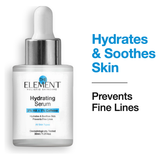
Our Hydrating Serum pairs 2% Hyaluronic Acid with 1% Caffeine, so skin gets a daily dose of hydration in a step that takes less than a minute.
Explore the Hydrating Serum →What does a sheet mask actually do?
A sheet mask is a thin piece of fabric, hydrogel or bio-cellulose soaked in a watery serum. Most of the serum is water and humectants such as glycerin and hyaluronic acid, which attract and hold water in the outer layer of skin.
The sheet adds one thing a regular serum does not: occlusion. Because it sits on top of the skin, it slows evaporation and keeps the surface wet for longer. A well-hydrated outer layer swells slightly, so fine dry lines look softer and the skin reflects light more evenly. That is the glow you see when you peel it off.
This effect is real, but it is temporary. As the water leaves the skin over the next day or so, your skin goes back to its baseline unless your daily routine keeps it hydrated.
What can a sheet mask not do?
Twenty minutes, once or twice a week, is not enough to change how your skin behaves. Be sceptical of any pack that promises the following:
- Fading pigmentation. Dark spots and tan fade over weeks of daily sunscreen and consistent actives. Our guide on hyperpigmentation covers what works.
- Clearing acne. Breakouts start inside the pore, and they need a daily leave-on or cleansing step rather than an occasional mask.
- Shrinking pores. Hydration can make pores look less obvious for a few hours, but pore size is largely set by genetics, oil and age.
- Whitening skin. No sheet can change your natural skin tone, however it is worded on the pack.
How often should you use a sheet mask?
For most people, one or two sheet masks a week is plenty. Very dry or dehydrated skin may enjoy up to three a week in winter, especially in dry northern cities or heated rooms. Using one daily is usually harmless if the formula is gentle, but it adds cost without adding much benefit, and fragrance or preservatives in the serum can irritate some skin with such frequent exposure.
Oily and acne-prone skin should start with once a week and watch how the skin responds. If you notice new bumps within a few days, try a lighter formula or skip sheets altogether. For clay and wash-off masks, see how often to use a face pack.
How do you use a sheet mask properly?
- Cleanse first. Wash with a gentle cleanser and pat your face lightly with a clean towel.
- Unfold and fit. Line up the eye and mouth holes first, then smooth the sheet outward so no air pockets remain.
- Time it. Leave it on for 15 to 20 minutes, or as long as the pack says. Do not sleep in it, and take it off before it starts drying out.
- Pat in the leftover serum. Do not rinse. Press what remains into your face and neck.
- Seal it. Apply moisturiser within a minute or two so that the water stays in your skin. Follow with sunscreen if it is daytime.
Mask at night if you can, since your routine ends there and nothing needs to go over it. Many people also use one before an event, because makeup sits more smoothly on well-hydrated skin. Keeping the pack in the fridge feels pleasant and can calm puffiness briefly, but the cold does not make the serum work better.
Sheet mask vs other hydrating steps
| Step | Best for | How long the effect lasts | How often |
|---|---|---|---|
| Sheet mask | Quick plumping before an event, or a dry spell | About a day | 1 to 2 times a week |
| Hyaluronic acid serum | Daily hydration under moisturiser | Builds with daily use | Once or twice a day |
| Moisturiser | Holding water in and supporting the barrier | Builds with daily use | Once or twice a day |
| Clay or wash-off pack | Absorbing excess oil on oily skin | Several hours | Once a week |
If your budget only stretches to one of these, choose a serum or moisturiser every time. Our guide to serum vs moisturiser explains how the two work together, and dehydrated vs dry skin helps you work out what your skin is short of.
How do you choose a good sheet mask?
Ignore the hero fruit on the front and read the ingredient list on the back.
- Look for glycerin, hyaluronic acid or sodium hyaluronate, panthenol, ceramides, niacinamide and centella asiatica.
- Be cautious with fragrance, essential oils and high amounts of denatured alcohol, especially on sensitive skin.
- Skip for now any mask with exfoliating acids if you already use retinoids or acids, since occlusion can make them sting more.
- Check the sheet. Thin, soft cellulose or hydrogel sheets tend to cling better than stiff fabric, and a good fit means more contact with the skin.
Patch test a new mask if your skin reacts easily. Our guide on how to patch test skincare shows you how. If you are expecting, see pregnancy-safe face masks.
Who should skip sheet masks?
Skip them while your skin is broken, burnt or actively inflamed, including during a flare of eczema or rosacea. A compromised barrier can react to ingredients that would normally be fine, so repair the barrier first. Hold off for a few days after a chemical peel or any clinic procedure too, unless your dermatologist suggests otherwise. Stop if your skin burns, itches or turns red during use, and rinse it off with cool water.
Frequently asked questions
Should I wash my face after a sheet mask?
No. Pat the leftover serum into your skin instead, and follow with moisturiser. The only exception is if your skin feels sticky or stings, in which case rinse with cool water.
Can I use a sheet mask every day?
You can if the formula is gentle and your skin tolerates it, but one or two a week is enough for most people. Daily use costs more without adding much benefit.
Can I reuse a sheet mask?
No. Once opened and used, a damp sheet can pick up bacteria from your skin and the air. Throw it away after one use.
Do sheet masks help oily skin?
They can, because oily skin can still be dehydrated. Choose a light, water-based formula without heavy oils, use it once a week, and stop if you notice new bumps.
Can I leave a sheet mask on overnight?
It is better not to. Once the sheet starts drying, it no longer adds much hydration, and it can shift or irritate your skin while you sleep. Take it off after 15 to 20 minutes.
Products in this guide