

Soframycin on Pimples: Is It Safe and Does It Work?

Soframycin is not a good treatment for pimples. It is an antibiotic cream containing framycetin, made for infected cuts, burns and wounds. Acne starts as a blocked pore, not a wound infection, and framycetin is not proven to clear it. Using it on spots also risks contact allergy and adds to antibiotic resistance without fixing the pore.
Looking for something to put on one angry pimple?
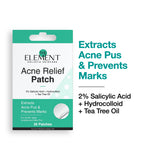
The Acne Relief Patch is a hydrocolloid dot with 2% salicylic acid and tea tree oil. It covers the spot, absorbs fluid and keeps fingers off it, without an antibiotic.
Explore the Acne Relief Patch →Soframycin is one of the most familiar tubes in Indian homes. It goes on every scraped knee and kitchen burn, so reaching for it when a pimple appears feels natural. The logic seems sound too: pimples involve bacteria, Soframycin fights bacteria. Here is why that logic does not hold, what can go wrong, and what to use instead.
What is Soframycin and what is it for?
Soframycin skin cream contains 1% framycetin sulphate, an aminoglycoside antibiotic closely related to neomycin. It is used on minor skin infections, infected cuts and grazes, and burns, where bacteria have entered broken skin.
It is classed as a medicine, not a cosmetic, and it is meant for short courses on a specific infected area. It does not exfoliate, reduce oil, or calm the inflammation that drives a typical pimple.
Does Soframycin work on pimples?
Soframycin does not reliably work on pimples, because a pimple is not primarily an infection. Acne begins when oil and dead skin cells block a pore. The skin bacterium Cutibacterium acnes, which lives on everyone's skin, then feeds on that trapped oil and triggers inflammation.
Two things stand in Soframycin's way:
- It does not unblock the pore. Without clearing the plug of oil and keratin, the pimple stays, whatever happens to the bacteria.
- It is the wrong antibiotic. Aminoglycosides like framycetin are generally not effective against the low-oxygen bacteria involved in acne. When doctors prescribe a topical antibiotic for acne, they choose different drugs, such as clindamycin, and pair them with benzoyl peroxide to limit resistance.
If a pimple flattened after you used Soframycin, the likely reason is that most pimples settle on their own within three to seven days. Our guide to how long a pimple lasts walks through the timeline.
What are the side effects of using Soframycin on your face?
The main risks are contact allergy, irritation and antibiotic resistance. On facial skin with acne, the downsides outweigh any benefit.
- Contact allergy. Neomycin-family antibiotics, including framycetin, are a well-known cause of allergic contact dermatitis. It shows up as itching, redness and a rash that can spread beyond where you applied the cream, and it often looks like the pimple got worse.
- Dark marks. On Indian skin, any rash or irritation can leave post-inflammatory pigmentation that lasts longer than the pimple would have.
- Antibiotic resistance. Using an antibiotic repeatedly on spots that do not need one encourages resistant bacteria on your skin, which can make genuine infections harder to treat later.
- Clogged pores. Rich cream bases sit on the skin, which does not help a pore that is already blocked.
- Delay. Weeks spent dabbing antibiotic cream on recurring acne is time not spent on treatment that addresses the cause.
When is an antibiotic cream actually needed?
An antibiotic cream is appropriate when a doctor diagnoses a bacterial skin infection, such as impetigo, an infected wound or an infected boil. These look different from ordinary acne: honey-coloured crusts, a hot, spreading red area, pus from broken skin or a painful lump that keeps growing.
A deep, painful lump may be a boil rather than a pimple. Our pimple vs boil guide shows the differences, and our article on mupirocin and fusidic acid creams on pimples covers the other antibiotic tubes people commonly try.
Soframycin vs acne-focused spot care
| Option | Made for | Clears the pore? | Main risk on the face |
|---|---|---|---|
| Soframycin (framycetin) | Infected cuts, burns | No | Contact allergy, resistance |
| Toothpaste | Teeth | No | Irritation, dark marks |
| Hydrocolloid pimple patch | Surface pimples with a head | Helps drain whiteheads | Low |
| 2% salicylic acid serum | Acne-prone skin | Yes | Mild dryness |
| Benzoyl peroxide 2.5% | Inflamed acne | Partly, and reduces bacteria | Dryness, can bleach fabric |
| Prescription clindamycin | Inflamed acne, under a doctor | No, so it is paired with other actives | Resistance if used alone |
We cover the other household remedies, including toothpaste, Iodex and Vicks VapoRub, in the same way.
What should you put on a pimple instead?
For a single pimple, the safest plan is to cover it, leave it alone and treat the pore gently.
- Cleanse and pat dry. A mild face wash, then a clean towel.
- Patch it. A hydrocolloid patch absorbs fluid from a whitehead and protects it from picking. Pimple patches work best on surface spots with a visible head.
- Treat the pore. A correctly dosed 2% salicylic acid serum, such as our Acne Relief Serum with 5% niacinamide, clears oil and dead cells from inside the pore. Use it on the area, or the whole T-zone if you break out often.
- Do not squeeze. Our guide to popping a pimple explains why it is the commonest cause of marks and scars.
- Wear sunscreen daily. Sun darkens the marks a pimple leaves behind.
When should you see a dermatologist?
See a dermatologist if you have many inflamed pimples, deep painful nodules, spots that keep returning in the same place, or acne that has not improved after eight to twelve weeks of consistent care. Seek prompt medical care if a red, hot, swollen area spreads around a spot, or if you develop fever. Those are signs of infection, which is exactly when a doctor may prescribe an antibiotic, chosen for that infection.
Frequently asked questions
Can Soframycin remove pimples overnight?
No. It does not clear the blocked pore, and it may irritate the skin. Most pimples take three to seven days to settle.
Can I use Soframycin on a popped pimple?
A popped pimple is a small wound, so a short course of antiseptic care is reasonable, but keep it clean and covered with a patch. If redness spreads or it fills with pus again, see a doctor rather than self-treating.
Does Soframycin remove pimple marks?
No. Antibiotic creams do not fade pigmentation. Marks respond to niacinamide, gentle exfoliating acids and daily sunscreen over several weeks.
Is Soframycin safe for daily use on the face?
No. It is meant for short courses on infected areas. Daily use on acne raises the risk of allergy and resistant bacteria.
What if Soframycin gave me a rash?
Stop using it, rinse the area with cool water and a mild cleanser, and apply a plain fragrance-free moisturiser. If the rash spreads, swells or blisters, see a doctor, and mention the reaction at future visits so neomycin-family antibiotics can be avoided.
Products in this guide