

Does a Room Heater Dry Your Skin? What Heaters Do and How to Protect It

Yes, a room heater can dry out your skin. Heaters warm the air without adding moisture, so indoor humidity falls, sometimes below 30%, and water evaporates faster from the skin's surface. The result is tightness, flaking, itching and dull, rough patches. A humectant serum, a sealing moisturiser and a little distance from the heater prevent most of it.
When the cold sets in across North India, the room heater comes out and the skin starts to complain. Faces feel tight by evening, lips crack, shins itch, and skin that was oily all summer suddenly flakes around the nose. People usually blame the cold. Indoors, though, the heater is often doing more damage than the weather outside. This guide explains what heaters do to skin, which types are harsher, who is most affected and the simple changes that keep skin comfortable all winter.
Skin tight and flaky after a night by the heater?
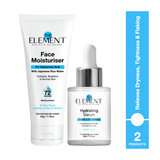
The Dry Skin Rescue Combo pairs our 2% Hyaluronic Acid + 1% Caffeine Hydrating Serum, which draws water into the skin, with the 2% Hyaluronic Acid + Rice Water Moisturiser, which seals it in. Two steps, morning and night.
Explore the Dry Skin Rescue Combo →Why does a room heater dry out your skin?
A heater dries skin by lowering the relative humidity of the room, which speeds up water loss from the outer layer of skin. Warm air can hold far more water vapour than cold air. When a heater raises the temperature of a closed room without adding any water, the same amount of moisture is spread across air that could hold much more, so the air feels dry and pulls water from every surface it touches, including your face.
Your skin's outer layer, the stratum corneum, holds water with the help of natural moisturising factors and a film of lipids such as ceramides. This is the skin barrier. In dry air, water leaves through the barrier faster than the skin can replace it. Dermatologists call this transepidermal water loss. Once the outer layer dries, its cells curl at the edges, the surface looks dull and rough, and small cracks let irritants in. That is why heater season often brings itching and redness as well as dryness.
Which heaters are hardest on skin?
All heaters lower humidity in a closed room, but some add direct radiant heat on top.
| Heater type | How it heats | Effect on skin |
|---|---|---|
| Halogen and carbon heaters | Radiant heat aimed at you | Very drying on the side of the face turned towards it; sitting close can redden skin |
| Fan heaters | Blow hot air through a coil | Moving warm air dries skin and eyes quickly |
| Oil-filled radiators | Slow, even warmth from a sealed unit | Still lowers humidity, but gentler; no direct blast |
| Gas heaters and angithi | Burn fuel in the room | Drying and add smoke or fumes; always keep the room ventilated |
The pattern matters more than the brand. A heater running all night in a closed bedroom, pointed at the bed, does the most damage, because you spend eight hours in the driest air of the day.
What are the signs your heater is affecting your skin?
Heater dryness usually shows up within a few days of switching it on.
- Skin that feels tight within an hour of washing, especially in the morning
- Flaking around the nose, eyebrows and chin
- Rough, dull cheeks that make makeup look patchy
- Itchy shins, arms and back, with white scratch lines
- Cracked lips and dry corners of the mouth (see chapped lips: causes and healing)
- Stinging when you apply a product you normally tolerate
- Breakouts on oily skin, because irritated, dehydrated skin can become more reactive
If skin feels tight but still looks oily, it is probably dehydrated rather than dry. Our guide to dehydrated vs dry skin explains the difference.
Who is most affected?
People with naturally dry skin, eczema or a history of sensitive skin feel heater dryness first and worst. Older adults have fewer oil glands and a slower barrier, so they dry out faster. Babies and young children lose water quickly through thinner skin. Anyone using retinoids, benzoyl peroxide or exfoliating acids is also more vulnerable, because those already thin the outer layer. If you have eczema on the face, winter heaters are a common trigger for flares.
How do you protect your skin from a room heater?
You do not have to give up the heater. Small changes to the room and to your routine are enough for most people.
Change the room
- Keep distance. Sit or sleep at least a metre or two away, and never point a radiant heater straight at your face.
- Do not run it all night. Warm the room before bed, then switch it off or use a timer.
- Add moisture to the air. A humidifier is the most effective fix. A bowl of water near the heater or drying clothes indoors adds a little.
- Ventilate. Open a window for a few minutes a day, and always with gas heaters or an angithi.
- Drink water. It will not moisturise your skin on its own, but it helps you avoid dehydration in a dry room.
Change your routine
- Cleanse with lukewarm water, not hot. Hot water strips the barrier lipids that heaters are already stressing. Keep washes short.
- Apply a humectant on damp skin. Hyaluronic acid pulls water into the outer layer. Apply it within a minute of washing. See hyaluronic acid serum for dry skin.
- Seal it with a moisturiser. In very dry air, a humectant alone can pull water from deeper skin and then lose it to the room. A moisturiser with emollients locks it in. The order matters, which is why our humectant, emollient and occlusive guide recommends layering.
- Moisturise your body after bathing. Apply a body lotion to shins and arms while skin is still damp.
- Protect lips and hands. Reapply lip balm through the evening and keep a hand cream near the heater.
- Cut back on strong actives for a few weeks. If skin stings, use exfoliating acids less often until the barrier recovers.
- Keep sunscreen on in the day. Winter sun still causes tanning and pigmentation, even when it feels mild.
For a full seasonal routine, see our winter skincare routine for Indian skin. If the dryness comes with breakouts, read winter acne: why you break out when it gets cold.
Is a heater worse for skin than the cold outside?
For most people indoors, yes. Cold outdoor air is dry too, but you spend a few hours in it. A heated bedroom is where you spend the night. Moving between cold air and a hot room also widens and narrows small blood vessels repeatedly, which can make sensitive skin flush. The good news is that the room is the one environment you can control.
When should you see a doctor?
See a dermatologist if dryness cracks and bleeds, if itching keeps you awake, if red, scaly patches spread, or if moisturising twice a day for two weeks does not help. These can be signs of eczema or another condition that needs treatment. Seek help at once if you have burns or blisters from sitting too close to a heater.
Frequently asked questions
Can a room heater cause dark skin?
Heat from sitting very close to a heater every day can, over time, cause a mottled brown pattern on the shins called erythema ab igne. Keeping your distance prevents it.
Is it bad to sleep with a heater on?
It dries your skin, eyes and throat because you spend hours in low-humidity air. Warm the room first, then switch it off or use a timer and a humidifier.
Does a bowl of water near the heater help?
It adds a little moisture to the air, but a humidifier is far more effective. Either way, keep moisturising your skin.
Should I use a heavier moisturiser in winter?
Often, yes. Layer a hyaluronic acid serum under a moisturiser, and choose a richer cream if your skin still feels tight by evening.
Can a heater cause pimples?
Not directly, but dehydrated, irritated skin can become more reactive, and heavy creams used to fix dryness can clog pores in acne-prone skin.
Products in this guide