

Hydrogen Peroxide on Pimples: Is It Safe? Does It Work?

Hydrogen peroxide is not a good pimple treatment. The 3% solution sold in pharmacies does kill some bacteria, but it also damages the healthy skin cells a pimple needs to heal, dries and irritates skin, and can slow healing and leave marks. The fizzing is not a sign it is working. Salicylic acid, benzoyl peroxide or a hydrocolloid patch are better choices.
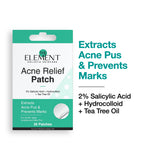
Need something for one angry pimple tonight?
The Acne Relief Patch combines hydrocolloid with 2% salicylic acid and tea tree, so it covers the spot, absorbs fluid and keeps fingers away while it heals, without bleaching or stripping the skin around it.
Explore the Acne Relief Patch →Hydrogen peroxide is in many Indian homes as a wound-cleaning liquid, and it shows up in acne advice online as a quick way to "disinfect" a pimple. It seems logical: acne involves bacteria, peroxide kills bacteria. But acne is not an infected cut, and peroxide is a blunt tool. Here is what it actually does on skin and what to use instead.
What does hydrogen peroxide do on skin?
Hydrogen peroxide is an oxidising agent. When it touches skin, blood or a wound, an enzyme called catalase in your cells breaks it down into water and oxygen, which is why it foams. That oxidising reaction damages bacterial cells, but it does not discriminate: it also harms the skin's own cells, including the ones that rebuild tissue after injury.
For this reason, many doctors no longer recommend hydrogen peroxide even for routine cleaning of minor cuts. Clean water and mild soap are usually enough, and peroxide can delay healing.
Does hydrogen peroxide work on pimples?
Not well. A pimple forms when dead skin cells and sebum block a pore, and bacteria that live in that blocked, oily space trigger inflammation. Hydrogen peroxide on the surface does not get into the pore well, does nothing about the blockage and does not reduce oil. It may dry out the top of a pimple, but drying is not the same as healing.
| Option | Gets into the pore? | Targets blockage? | Effect on surrounding skin |
|---|---|---|---|
| Hydrogen peroxide (3%) | Poorly | No | Irritating, can bleach and delay healing |
| Salicylic acid (2%) | Yes, oil-soluble | Yes | Mild dryness at first in some people |
| Benzoyl peroxide (2.5–5%) | Yes | Partly | Dryness, can bleach fabric |
| Hydrocolloid patch | No (works on the surface) | No | Protects, very gentle |
What are the side effects of hydrogen peroxide on the face?
The main side effects are stinging, redness, dryness, flaking and irritation. On the face you may also see:
- Slower healing. Damaging healthy cells around a pimple can make it take longer to settle and raise the risk of a lasting mark.
- Dark marks on Indian skin. Any irritation on brown skin can trigger post-inflammatory hyperpigmentation, the dark spot that remains long after the pimple.
- White patches and bleaching. Peroxide can temporarily whiten the skin surface and lighten facial hair and eyebrows if it drips onto them.
- Chemical irritation from stronger solutions. Hair-bleaching and industrial strengths (6% and above) can burn skin. Never use them on the face.
The same problem applies to other household antiseptics. Our guides to Dettol on pimples, Betadine on pimples and hand sanitiser on pimples explain why wound antiseptics are a poor fit for acne.
Is hydrogen peroxide the same as benzoyl peroxide?
No. Benzoyl peroxide is a different molecule formulated specifically for acne. It penetrates into the pore and releases oxygen there, where acne bacteria live, and it has decades of clinical evidence behind it at 2.5–5%. Hydrogen peroxide is a simple liquid antiseptic that acts mostly on the surface. The shared word "peroxide" is the only real similarity.
If you are considering benzoyl peroxide, our guide to benzoyl peroxide and salicylic acid explains how the two compare and when to use each.
Can hydrogen peroxide lighten acne marks?
No, and trying can make marks worse. Hydrogen peroxide can briefly bleach the very top of the skin, but it does not reduce melanin in a lasting way, and the irritation it causes can deepen post-acne pigmentation. Dark marks fade with daily sunscreen and steady use of ingredients like niacinamide over several weeks. For why bleaching agents are risky on the face, see face bleach side effects.
What should you do instead for a pimple?
For a single pimple, the gentlest effective approach is:
- Cleanse gently with a mild face wash and lukewarm water, then pat dry.
- Do not squeeze it. Picking pushes inflammation deeper and leaves marks. Read what happens when you pop a pimple.
- Cover it with a hydrocolloid patch overnight, especially once it has a white head. See do pimple patches work.
- Use 2% salicylic acid on breakout-prone areas to keep pores clear and prevent the next one.
- Wear sunscreen daily so any mark that does form fades faster.
Avoid stacking hacks like toothpaste, lemon or baking soda on the same spot; our guide on toothpaste on pimples explains why.
When should you see a doctor?
See a dermatologist if pimples are deep and painful, leave scars, keep coming back in the same spot, or do not improve after six to eight weeks of a steady routine. Seek prompt care if a spot becomes hot, spreading and very painful, or comes with fever, which can suggest a skin infection that needs medical treatment rather than home remedies.
Frequently asked questions
Can I put hydrogen peroxide on a popped pimple?
It is better not to. It can damage healing skin and delay recovery. Rinse with clean water, pat dry and cover with a hydrocolloid patch instead.
Why does hydrogen peroxide bubble on a pimple?
The bubbles come from an enzyme in your cells breaking the peroxide into water and oxygen. They do not mean it is killing an infection or treating the pimple.
Can I use hydrogen peroxide to wash my face?
No. It is too irritating for regular face washing and can dry, bleach and inflame skin. Use a gentle face wash suited to your skin type.
Does hydrogen peroxide remove blackheads?
No. Blackheads are pores plugged with oxidised oil and dead cells. Salicylic acid, which dissolves into oil, works far better.
Is diluted hydrogen peroxide safe for acne?
Diluting it reduces irritation but does not make it effective for acne. A tested acne product gives better results with less risk.
Products in this guide