

Peeling Skin on Face: Causes and What Actually Helps

Skin on the face usually peels because its barrier is damaged by dry air, hot water, harsh cleansers, too many actives or sun exposure. Pause exfoliants and retinoids, wash with lukewarm water, apply hydration on damp skin and seal it with moisturiser. See a doctor if peeling comes with pain, oozing or swelling.
Peeling can make your whole face look rough, and it is especially frustrating when makeup and sunscreen start catching on the flakes. The good news is that most facial peeling is a barrier problem, and it often settles within a week or two once you stop aggravating it. Here is how to work out your cause, what to do tonight, and when peeling is a sign of something else.
Is your face flaking and tight?
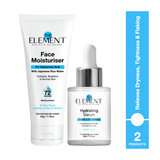
Our Dry Skin Rescue Combo pairs a Hydrating Serum (2% Hyaluronic Acid + 1% Caffeine) with a Rice Water Moisturiser, to add water to the skin and then hold it there.
Explore the Dry Skin Rescue Combo →Why is the skin on my face peeling?
Your skin normally sheds dead cells invisibly, one at a time. Peeling happens when that process goes wrong: the outer layer loses water and the fats that hold it together, so cells lift away in visible flakes. The most common triggers are:
- Dry weather and heaters. Cold air holds little moisture, and room heaters pull more water from the skin.
- Hot water. Very hot showers and steaming dissolve protective oils.
- Harsh cleansing. Soap, strong foaming washes and washing too often leave skin stripped.
- Too many actives. Glycolic acid, salicylic acid, benzoyl peroxide and retinoids can all cause flaking, particularly when combined. These are classic signs of over-exfoliation.
- Sun exposure. Peeling a few days after a burn is the skin shedding damaged cells. See sunburn on Indian skin.
- Skin conditions. Eczema, seborrheic dermatitis, psoriasis and contact allergies can all look like simple dryness.
How can you tell what is causing it?
Where the peeling sits, and what it feels like, gives you the best clue.
| What you notice | Likely cause | What helps |
|---|---|---|
| Tight, flaky cheeks and around the mouth, worse in winter | Dryness and a weak barrier | Gentle cleanser, hydration, moisturiser |
| Started soon after a new serum, acid or retinoid | Irritation from actives | Pause the active, then reintroduce slowly |
| Peeling a few days after time in the sun | Sunburn | Cool compress, moisturiser, sun protection |
| Greasy, yellowish flakes around the nose and eyebrows | Seborrheic dermatitis | See a dermatologist; often needs an antifungal |
| Itchy, red, rough patches that keep coming back | Eczema or allergy | Fragrance-free care; see a doctor |
If yours looks greasy, our guide to seborrheic dermatitis on the face explains why ordinary moisturiser may not be enough. For itchy patches, see eczema on the face.
What should you do when your face is peeling?
Strip the routine back to a few gentle steps for one to two weeks.
- Stop the extras. Pause retinoids, acids, scrubs, peels, clay masks and facial tools until the flaking stops.
- Cleanse gently, once or twice a day, with a mild, non-foaming or low-foam wash and lukewarm water. Pat dry and do not rub.
- Add water while skin is damp. A hyaluronic acid serum helps most when applied within a minute of washing.
- Seal it with moisturiser. Use a fragrance-free cream with humectants such as glycerin or hyaluronic acid, and barrier-supporting ingredients such as ceramides or vitamin E.
- Add a thin occlusive at night if very dry. A small amount of petroleum jelly over moisturiser on the worst patches helps reduce water loss, though it may not suit acne-prone areas.
- Keep using sunscreen. Damaged skin is more vulnerable to UV. Choose a hydrating formula and apply it over moisturiser.
Most people see fewer flakes within several days and clearly calmer skin within two weeks. Our guide on how to repair your skin barrier covers what happens during this phase.
Should you scrub off or pick the peeling skin?
No. Those flakes may look loose, but pulling them lifts skin that has not finished healing, which leaves raw patches and can sting when you apply anything afterwards. On Indian skin, this kind of damage can also leave dark marks that outlast the peeling. A scrub has the same problem. If flakes bother you, moisturise and let them come away on their own, or dab on a little more cream to flatten them before makeup.
Is peeling a sign that your actives are working?
Not really. A retinoid may cause mild flaking in the first few weeks as your skin adjusts, and this is common and usually temporary. Lasting peeling, burning or redness means the dose or frequency is too high for your skin. Results do not depend on your skin coming off. Cut back to two or three nights a week, apply over moisturiser, and build up gradually. See retinol side effects for what is normal.
How do you stop your face from peeling again?
- Introduce one active at a time, and leave a few weeks before adding another.
- Do not stack exfoliating acids and retinoids on the same night.
- Switch to a richer moisturiser as soon as the weather turns dry.
- Keep bath water warm rather than hot, and keep showers short.
- Run a humidifier, or keep a bowl of water near the heater, if the air is very dry.
- Wear sunscreen daily, including in winter.
If your skin often feels tight, it may be short of water rather than oil. Our guide to dehydrated vs dry skin helps you tell them apart, and our dry skin routine gives you a simple morning and night plan.
When should you see a doctor about peeling skin?
See a dermatologist if peeling lasts beyond two to three weeks of gentle care, keeps coming back in the same place, or comes with intense itching. Get prompt medical advice if you have pain, swelling, oozing, yellow crusts, or signs of infection. Peeling that starts after a new medicine, or that comes with fever, blisters or sores in the mouth or eyes, needs urgent care, because it can signal a serious drug reaction.
Frequently asked questions
How long does peeling skin on the face take to heal?
Mild peeling from dryness or actives usually settles within one to two weeks of gentle care. Peeling after a sunburn typically takes about a week. If it lasts longer, see a dermatologist.
Should I moisturise peeling skin?
Yes. Moisturise right after washing, while skin is still slightly damp, and again whenever it feels tight. This is the most useful thing you can do at home.
Can I wear makeup on peeling skin?
You can, but it will catch on the flakes. Moisturise well first, use a thin layer of a cream formula, and avoid powder on the peeling areas.
Why does my face peel only around my nose and mouth?
These areas are often drier and more reactive, and they get extra friction from tissues and masks. Greasy flakes around the nose and eyebrows may be seborrheic dermatitis instead, which a doctor can confirm.
Can a vitamin deficiency cause peeling skin?
It can, but it is much less common than dryness or irritation. If peeling persists despite gentle care, or you feel unwell in other ways, ask your doctor whether blood tests are useful.
Products in this guide